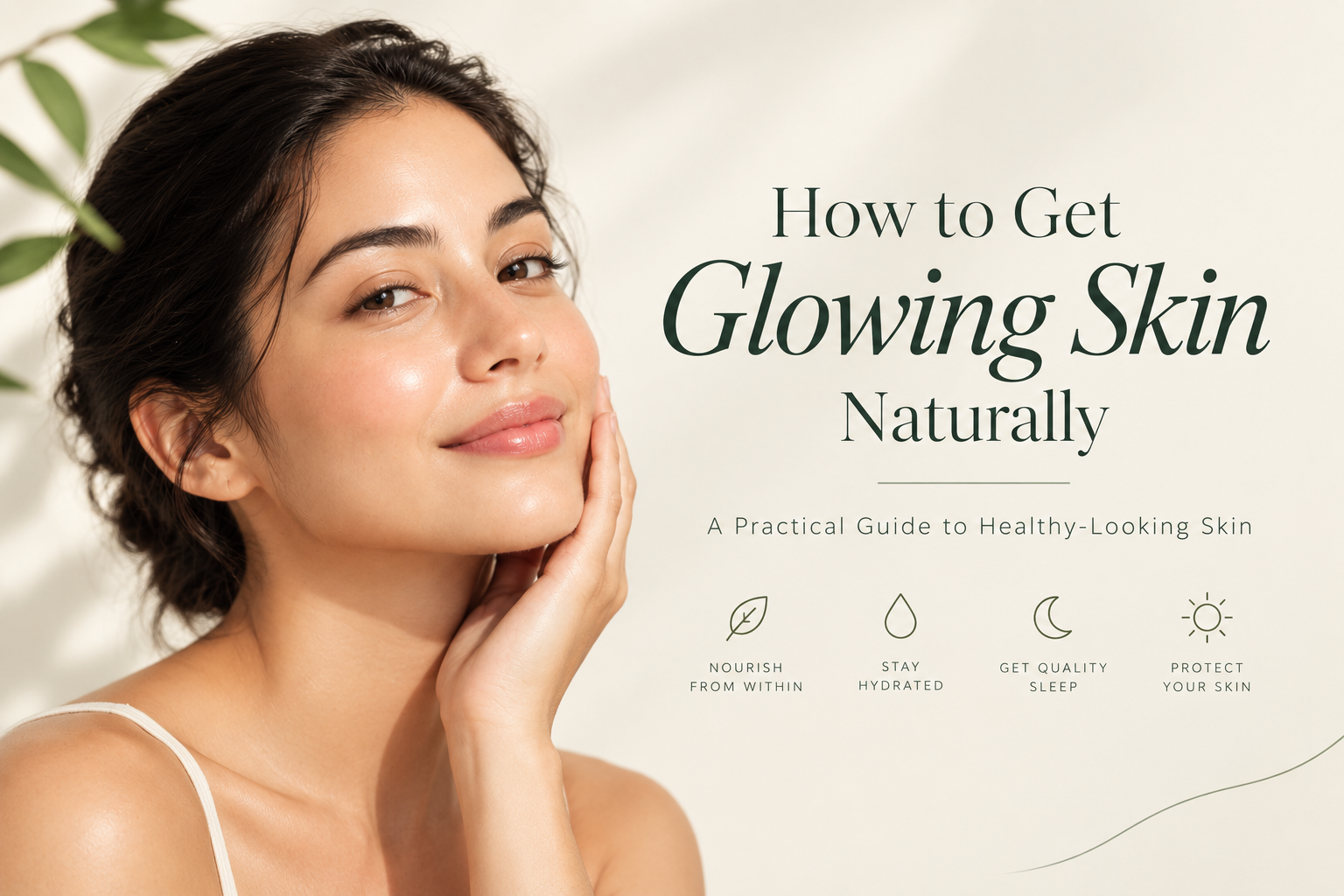
The phrase 'glowing skin' makes it sound as if there is a secret ingredient hiding in a tiny bottle. In reality, glow is usually much less mysterious. Skin tends to look fresh when its surface is reasonably hydrated, its texture is cared for, and it is not constantly irritated.
There is another part of the conversation worth keeping: healthy skin is not supposed to look poreless. Real skin has texture, lines, freckles, pigmentation, blemishes and days when it simply looks tired.
The glow is often about light
When skin is smooth and hydrated, light reflects from the surface in a way that can make it look brighter. That is why moisturizer can create an immediate glow without changing the underlying biology overnight.
Start with hydration, not a miracle ingredient
Moisturizer can help reduce water loss. Glycerin and hyaluronic acid are common humectants, while ceramides support the skin barrier. You do not need every hydrating ingredient in one bottle.
The glow killer nobody wants to hear about: UV exposure
If an even-looking complexion is your goal, broad-spectrum sunscreen during daytime exposure deserves a permanent place in the routine. UV exposure contributes to pigmentation and visible skin aging.
If you want one active, choose it for a reason
Vitamin C is commonly used for antioxidant support and brightening. Niacinamide is often used for barrier and oil-related concerns. Salicylic acid exfoliates and can be useful for acne-prone skin. Retinoids are used for acne and signs of aging. Choose one relevant treatment rather than collecting them.
Please leave the kitchen ingredients in the kitchen
Lemon juice, baking soda and undiluted essential oils are not reliable facial treatments. 'Natural' does not automatically mean gentle or safe for facial skin.
Your diet matters, just not like a beauty advertisement suggests
There is no single miracle food for glowing skin. A varied diet containing vegetables, fruit, protein, whole grains and healthy fats supports overall health. Specific deficiencies or medical concerns should be discussed with an appropriate professional.
Sleep shows up on your face
A few late nights will not ruin your skin, but sleep is part of overall wellbeing. A consistent sleep schedule can make it easier to maintain healthy routines.
A glow routine I would actually keep
Morning: cleanse if needed, optional antioxidant or hydrating product, moisturizer if needed, then sunscreen. Evening: cleanse, one suitable treatment if needed, then moisturizer. That is enough for many people.
The simple version
Morning: cleanse if needed → optional treatment → moisturizer → sunscreen
Evening: cleanse → optional treatment → moisturizer
Before buying another serum, check the basics
Has the weather changed? Have you stopped moisturizing? Are you over-exfoliating? Sleeping poorly? Spending more time outdoors? Sometimes 'dullness' is a routine problem rather than a missing product.
Quick reference
Goal | Consider | Avoid |
|---|---|---|
More hydrated-looking skin | Moisturizer with humectants/barrier support | Over-cleansing |
More even-looking tone | Sun protection + suitable treatment | Harsh DIY bleaching recipes |
Smoother texture | Careful exfoliation or appropriate retinoid | Layering many strong actives |
Fresh overall appearance | Sleep + gentle routine + SPF | Expecting overnight transformation |
A final reality check
Glow is an appearance description, not a medical diagnosis.
Healthy skin can have pores, lines, pigmentation and blemishes.
Stop a product that causes persistent burning or swelling and seek appropriate advice if symptoms continue.
FAQs
Can I get glowing skin without expensive products?
Yes. A gentle cleanser, suitable moisturizer and sunscreen can form a strong foundation.
Do face oils create glow?
They can create a temporary surface sheen and may reduce water loss for some people, but they are not essential.
How quickly will I see results?
Hydration can change appearance relatively quickly; acne and pigmentation usually require consistent care over time.
Is lemon good for brightening?
Direct lemon juice can irritate skin and increase sensitivity, so it is not recommended as a facial brightening treatment.